'Just 5 more minutes!' If you've heard this 47 times in a row, you know that transitions are one of the biggest parenting challenges. But there are strategies that actually work.
Transitions — changes from one activity, location, or person to another — are hard for children because they require executive skills that are still developing: cognitive flexibility, impulse inhibition, and time management.
Why Transitions Are Hard
When a child is engaged in a pleasurable activity, asking them to stop is literally asking them to interrupt a dopamine flow. The brain resists. Plus, young children have difficulty visualizing the future — 'now' is all that exists.
Transitions also involve the unknown. Even if the next activity is good, the child doesn't know exactly how it will be. This uncertainty creates anxiety.
The Advance Warning Technique
Never interrupt a child abruptly. Use countdown warnings: '10 minutes', '5 minutes', '2 minutes', 'last minute'. This gives the brain time to prepare for the change.
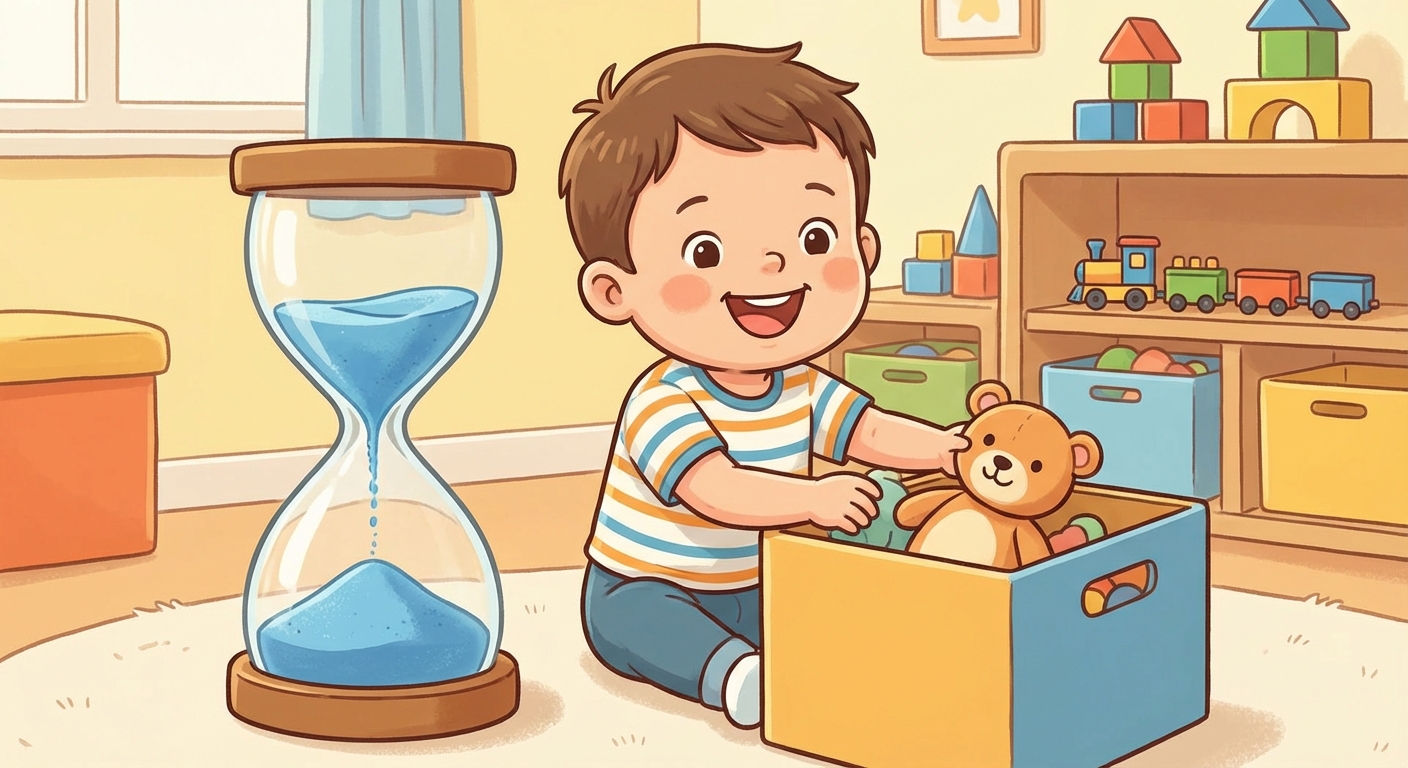
Use visual timers (hourglasses or apps with visual countdowns) for children who don't yet understand time. Seeing time 'running out' is more concrete than hearing '5 minutes'.
Visual Routines: The Transition Superpower
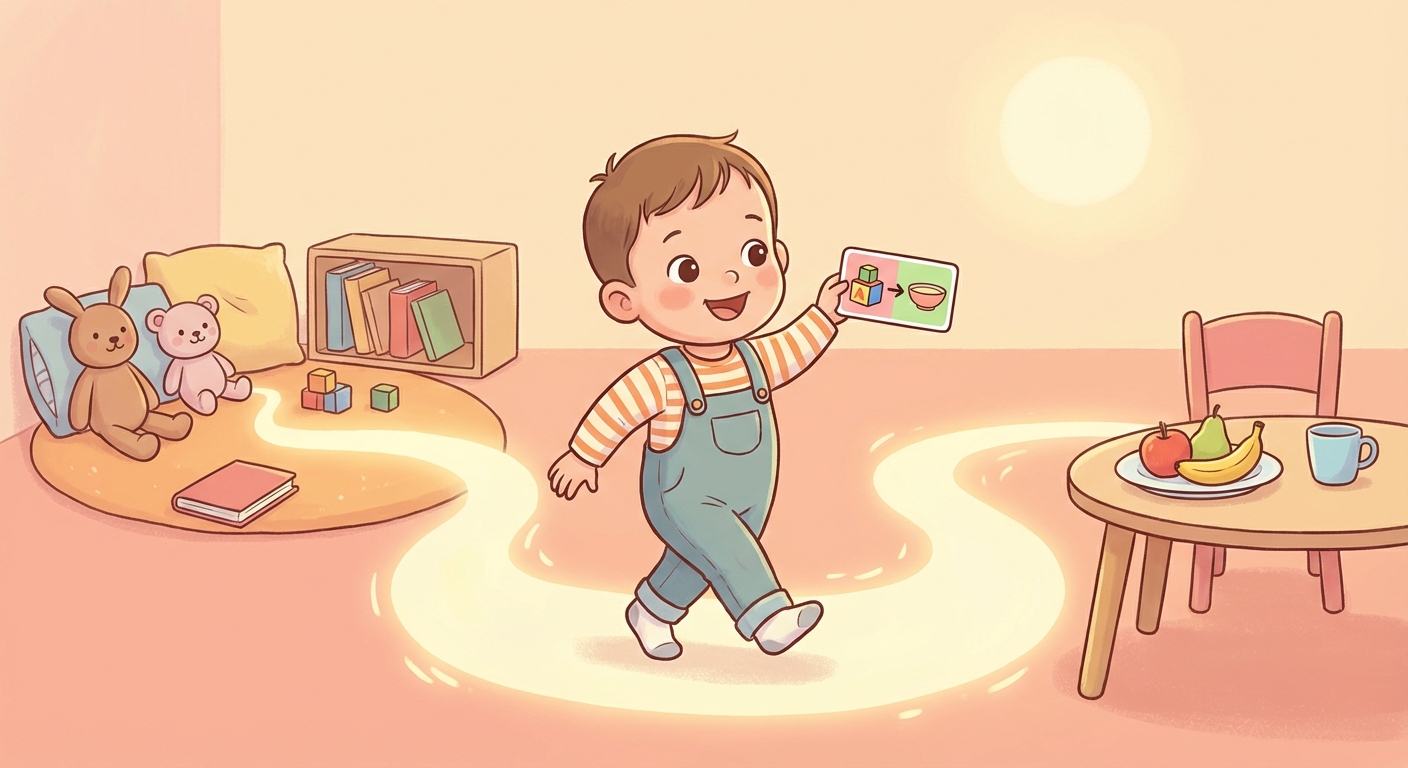
A visual routine chart shows what comes next, transforming the unknown into the known. The child can see that after the park comes snack, then bath, then story. The transition stops being an unpleasant surprise.
- Point to the chart: 'Look, we finished the park. What comes now?'
- Let the child mark the completed activity
- Use the chart as authority: 'The chart says it's bath time now'
- Create positive anticipation: 'After bath there's story time! Which book do you want?'
Transition Strategies by Age
1-2 years: Use transition objects (a toy that goes along), sing specific songs for each transition, carry if necessary (don't negotiate at length).
3-4 years: Give choices within the transition ('do you want to go hopping or running?'), use counting ('we'll leave when I count to 10'), establish goodbye rituals ('wave goodbye to the swings').
5-6 years: Involve in time management ('do you want 5 or 10 more minutes?'), use natural consequences ('if we leave quickly, there's time for popcorn'), appeal to responsibility.
Specific Transitions
Screen to another activity: This is the hardest. Always give warning ('one more episode and we turn it off'), use natural stopping points (end of episode, not middle), have the next activity ready and appealing.
Park to home: Advance warning, goodbye ritual, transition object, talk about what will happen at home ('we'll have a yummy snack').
School/daycare: Consistent goodbye routine (always the same), comfort object allowed, never sneak away (creates anxiety).
What to Avoid
- Abrupt interruptions without warning
- Endless negotiations ('okay, just 2 more minutes... okay, 2 more...')
- Empty threats ('if you don't come now, we'll never go to the park again')
- Sneaking away (at goodbyes)
- Physical forcing without necessity
Smooth transitions don't happen overnight. But with consistency, visual routines, and the right strategies, you can transform moments of conflict into opportunities for cooperation.