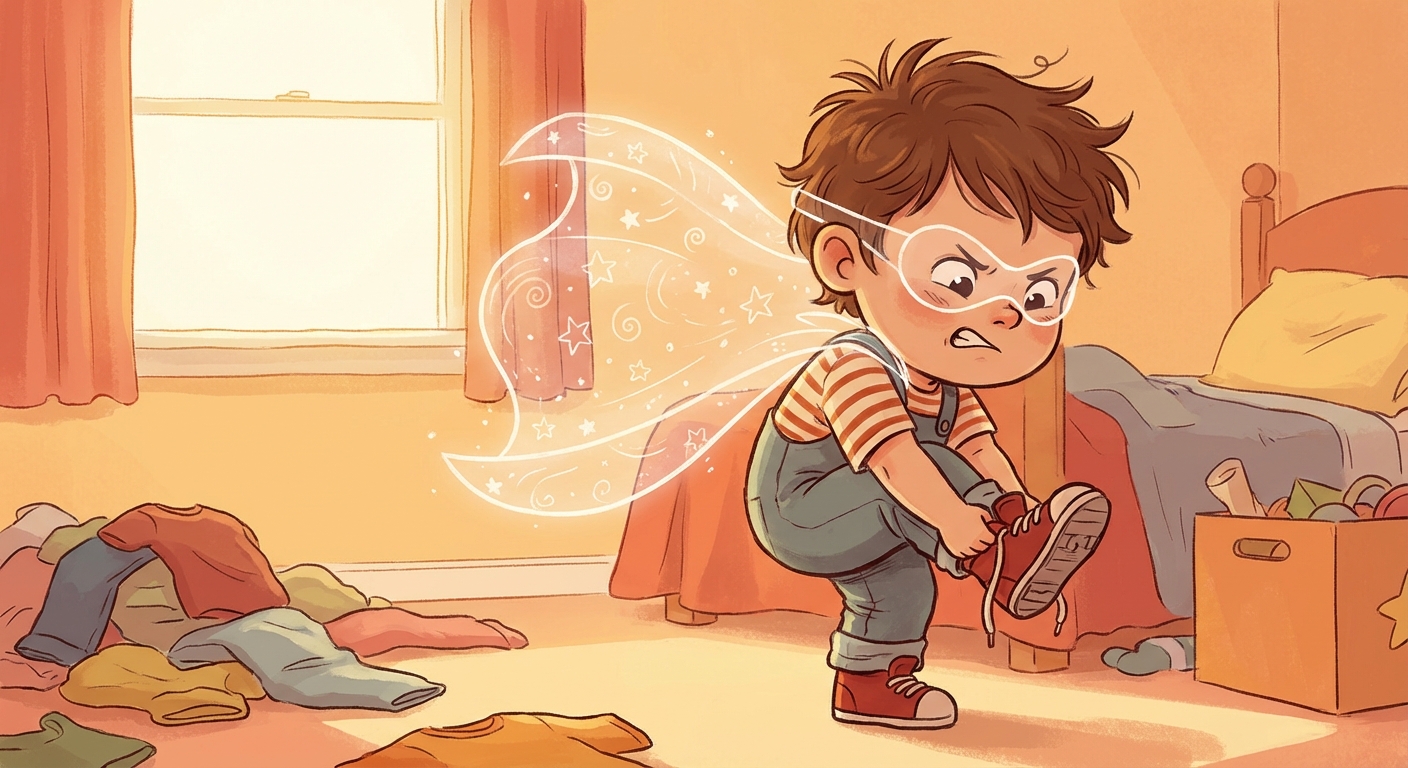

Maria Montessori said: 'Never help a child with a task they feel they can do themselves.' Autonomy is not a luxury — it's a necessity for healthy development.
Why Autonomy Matters
Children who develop autonomy early show higher self-esteem, better problem-solving, and less anxiety. They learn they are capable — and this belief stays with them for life.
Autonomy is not giving children everything they want, but teaching them to do what needs to be done.
The Role of Visual Routines
A visual routine chart is a powerful autonomy tool because it:
- Removes dependence on adult verbal instructions
- Allows the child to 'lead' their own routine
- Creates a sense of competence with each completed task
- Develops planning and sequencing skills
Autonomy by Age
1-2 years: Can point to the next activity on the chart. 3-4 years: Can follow the chart with minimal supervision. 5-6 years: Can use the chart independently and even help create new ones.
Let the child participate in creating the chart. When they help choose the activities, engagement increases significantly.
Resisting the Urge to Help
The hardest thing for parents is not intervening. When the child takes forever to get dressed, we want to do it for them. But every time we do, we steal a development opportunity. Breathe, drink your coffee, and let them try.